How to Dispose of Kitchen Knives in 5 Easy Steps
Old kitchen knives can be tricky to get rid of safely. If you’re unsure whether to toss, donate, or recycle them, you’re not alone—many people struggle with this. This guide to how to dispose of kitchen knives makes the process simple and eco-friendly.
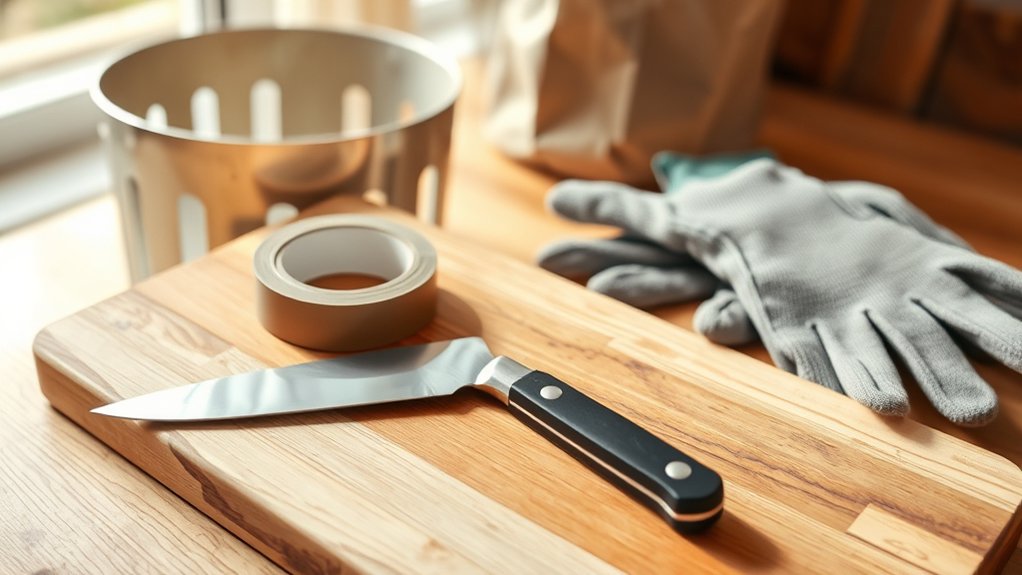
To dispose of kitchen knives safely, first wear gloves and clean blades to avoid cuts or contamination. Next, dull the blades slightly and wrap each knife in thick paper or bubble wrap, securing it with tape.
Then, consider donating usable knives or recycling metal parts. For non-recyclable blades, wrap tightly, label clearly, and dispose of them cautiously.
Finally, maintain your knives to extend their life. Keep going to uncover detailed tips for safe, eco-friendly disposal.
Key Takeaways
- Wear safety gloves and dull the blade before handling to prevent cuts.
- Wrap each knife securely with thick paper or bubble wrap and tape tightly.
- Place wrapped knives in a sturdy container labeled “Sharp Objects” for safety.
- Donate usable knives to charities or recycle metal parts at local facilities.
- Dispose of non-recyclable knives in household trash only if properly wrapped and marked.
How to Prepare Kitchen Knives for Safe Disposal
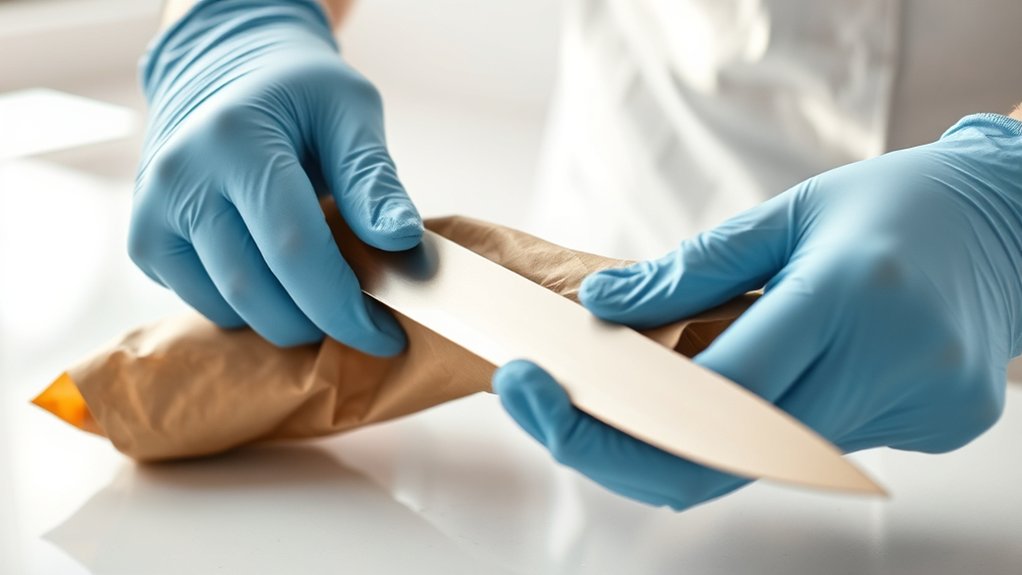
Before you dispose of kitchen knives, you’ll need to make certain they’re safe to handle. Start by putting on safety gloves to protect your hands from accidental cuts.
Even if the knives seem dull, always treat them as sharp. Avoid relying on knife sharpening to prepare knives for disposal. Instead, focus on minimizing sharp edges to reduce injury risks.
You can carefully dull the blade by running it along a rough surface, like concrete, or by tapping the edge with a hammer. Just be cautious and wear gloves.
Clean the knives thoroughly to remove food residue, which helps prevent contamination during disposal. Once the blades are dulled and the knives are clean, you’re ready to move on to packaging them safely.
Taking these steps ensures you handle old knives responsibly, protecting yourself and others from potential harm during the disposal process.
How to Package Kitchen Knives to Prevent Injuries

When you’re ready to package kitchen knives, wrap each blade carefully to prevent cuts during handling. Even if you’ve taken steps like knife sharpening or blade maintenance to keep your knives in good condition, safety comes first when packaging them for disposal.
Here’s how to do it properly:
- Wrap the blade tightly – Use thick paper, cardboard, or bubble wrap to cover the sharp edge completely. This prevents accidental cuts and keeps the blade secure.
- Secure with tape – After wrapping, tape the package firmly so it won’t unravel during transport or disposal.
- Place in a sturdy container – For extra protection, put wrapped knives in a rigid box or container. Label it clearly to warn others about the sharp contents.
How to Recycle or Donate Old Kitchen Knives
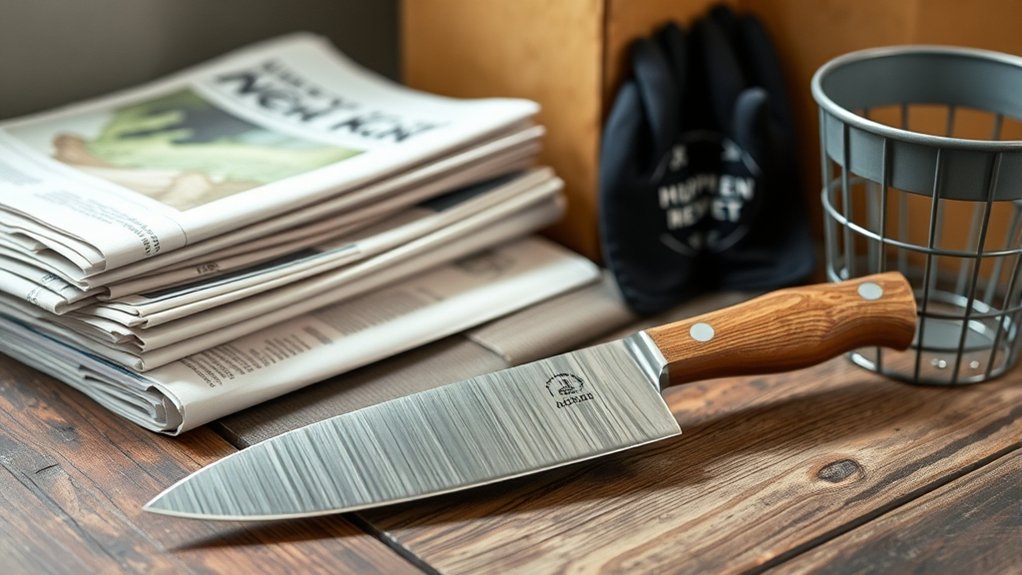
Although you might think old kitchen knives have no value, you can often recycle or donate them instead of simply throwing them away. Many community centers, culinary schools, or charities accept donated knives, especially if they’re still usable or can be restored.
Before donating, consider if the knives need knife sharpening or handle replacement. These simple fixes can make them safe and functional for others.
If you decide to recycle, check if your local scrap metal facility accepts kitchen knives, as they can reclaim the steel. Remove any non-metal parts like wooden handles if required by the recycler.
Some knife manufacturers also offer take-back programs for recycling or refurbishing old blades.
How to Dispose of Kitchen Knives You Can’t Recycle
If you’ve examined recycling or donating options but still have kitchen knives that can’t be reused or processed, you’ll need to dispose of them safely. Unlike knives that can benefit from knife sharpening or blade replacement, these unusable knives require careful handling to avoid injury or environmental harm.
When kitchen knives can no longer be reused or recycled, safe disposal is essential to prevent injury and environmental damage.
Here’s how you can properly dispose of them:
- Secure the blade: Wrap the knife blade tightly with several layers of newspaper or cardboard to prevent cuts.
- Label the package: Clearly mark the wrapped knife as “Sharp Object” to alert waste handlers.
- Use designated disposal bins: Place the package in your household trash, unless your local waste facility has special guidelines for sharp objects.
Eco-Friendly Tips for Disposing of Kitchen Knives
Since kitchen knives can pose safety and environmental risks, adopting eco-friendly disposal methods helps protect both. Before disposing of your knives, consider knife sharpening and blade maintenance to extend their life.
Well-maintained knives reduce waste by lasting longer and performing better. If your knives are beyond repair, look for local metal recycling programs that accept blades.
Wrap the knives securely in thick paper or cloth to prevent injuries during handling. You can also donate usable knives to community centers or art programs that might repurpose them.
Avoid throwing knives directly into the trash, as they can harm sanitation workers and contribute to landfill hazards. Some specialty shops offer blade recycling or take-back programs, so check if any near you provide this service.
Frequently Asked Questions
Can Kitchen Knives Be Disposed of in Regular Household Trash?
You shouldn’t toss kitchen knives in regular household trash because they can injure waste collectors. Instead, check if your local waste collection offers special guidelines for sharp objects.
Many areas have recycling programs that accept metal blades safely. If not, you can wrap the knives securely in thick material before disposal.
Always consider recycling options first to reduce environmental impact and keep everyone safe during waste collection.
How Long Does It Take for a Kitchen Knife to Decompose?
A kitchen knife can take hundreds of years to decompose because it’s mostly made of metal. Since decomposition is so slow, you shouldn’t just toss it in the trash.
Instead, you can check for local recycling programs that accept metal items. If your knife is still in decent shape, consider knife sharpening to extend its life.
This way, you reduce waste and make the most out of your knife before recycling it.
Are There Specific Disposal Rules for Ceramic Kitchen Knives?
Yes, there are specific ceramic disposal guidelines you should follow. Unlike metal knives, ceramic blades can’t be recycled in regular knife recycling programs because they’re made from non-metal materials.
You’ll need to check if your local waste facility accepts ceramic knives separately or if they require you to wrap the blade securely to prevent injury. Always avoid throwing ceramic knives in regular recycling bins to guarantee safe and proper ceramic disposal.
Can Broken Kitchen Knives Be Safely Used for Crafts?
Yes, you can safely use broken kitchen knives for craft reuse in certain DIY projects, but you need to be careful. Make sure you handle the sharp edges with gloves and file down any dangerous points to avoid injury.
Broken blades can be repurposed into unique art pieces, handles, or small tools. Always prioritize safety and use proper protective gear when incorporating them into your crafts or DIY projects.
What Are the Risks of Improper Kitchen Knife Disposal?
If you don’t dispose of kitchen knives properly, you risk sharp safety hazards like cuts and injuries to yourself, sanitation workers, or anyone handling trash. Knives tossed loosely can easily pierce bags or containers, causing accidents.
You should always investigate recycling options, such as metal recycling programs, to safely get rid of blades. Taking these steps keeps everyone safer and helps reduce environmental harm. Don’t overlook the importance of secure disposal!
Conclusion
Now that you know how to prepare, package, and properly dispose of kitchen knives, you can confidently clear clutter without causing cuts. Whether recycling, donating, or safely tossing them, take thoughtful steps to protect people and the planet.
By choosing eco-friendly options, you’ll not only prevent potential injuries but also promote a cleaner, safer environment. So, complete your knife disposal duties with care and create a smarter kitchen cleanup routine.