How to Start a Ghost Kitchen in 7 Essential Steps
Starting a ghost kitchen can feel overwhelming, especially when you’re balancing permits, equipment, staffing, delivery logistics, and marketing. You’re not alone—many aspiring food entrepreneurs struggle to know where to begin.
This guide breaks down how to start a ghost kitchen into seven practical steps.
To start a ghost kitchen, first secure an affordable, accessible location with proper kitchen equipment and staff training for efficiency. Design a delivery-friendly menu using durable ingredients and eco-friendly packaging.
Obtain all necessary licenses and permits to comply with health regulations. Set up reliable order and delivery management systems to ensure timely service.
Build a strong brand identity and market through social media and partnerships. Track performance regularly, using feedback and data to refine your operations and grow your business.
Delve into each step in detail to master success.
Key Takeaways
- Secure an affordable, compliant kitchen location equipped for efficient food preparation and delivery.
- Design a menu with durable ingredients, standardized recipes, and eco-friendly packaging for consistent quality and customer appeal.
- Obtain all necessary business licenses, food permits, and maintain compliance through regular health inspections.
- Implement integrated order management and delivery systems for real-time tracking, route optimization, and inventory control.
- Build customer trust through consistent service quality, active feedback collection, and strong brand engagement on social media.
Choose the Ideal Location and Kitchen Setup
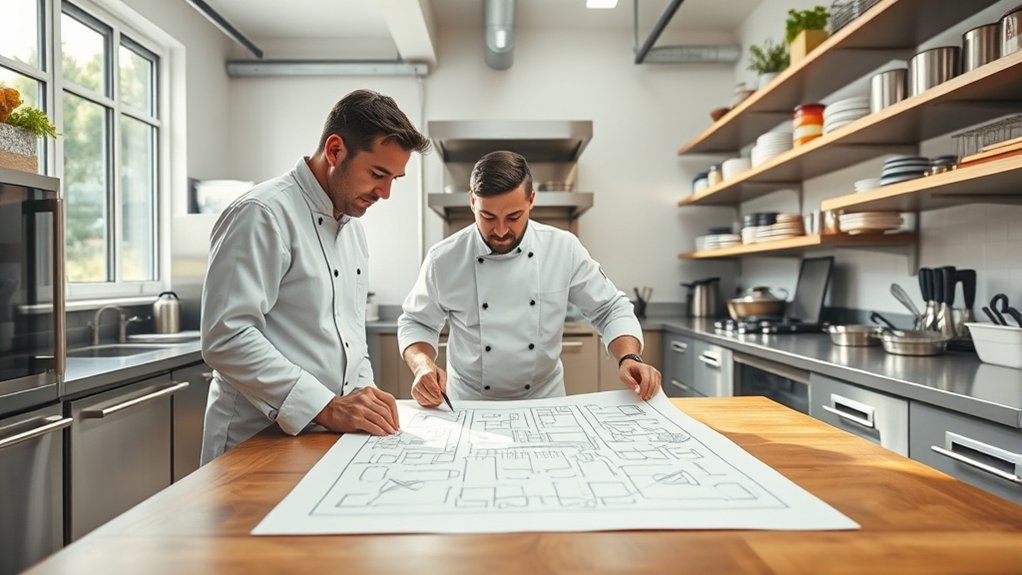
Before you launch your ghost kitchen, you need to pinpoint a location that balances cost, accessibility, and food safety regulations.
Look for a space that’s affordable but also convenient enough for quick delivery. Check local health codes to verify your kitchen meets all safety standards.
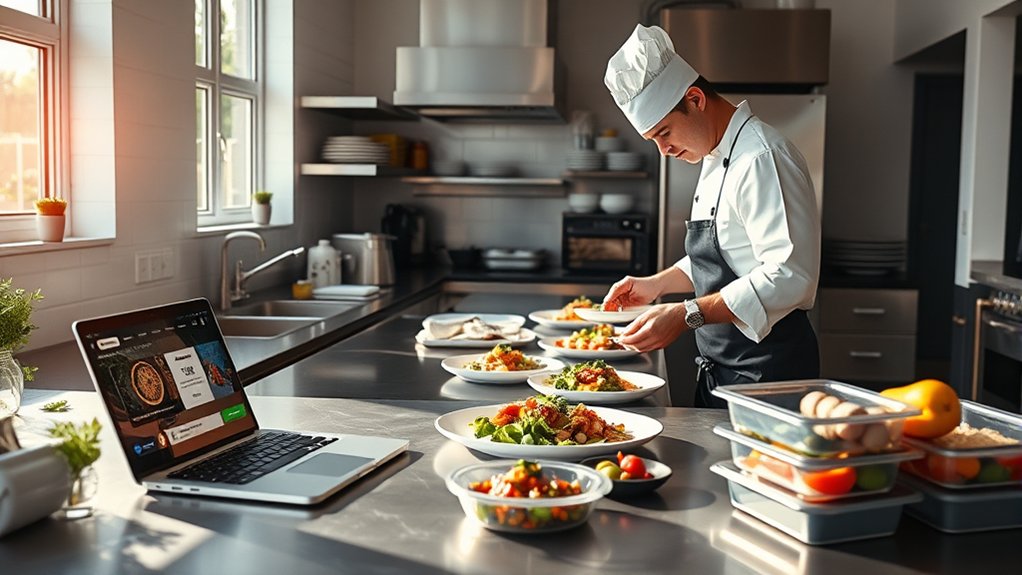
Once you have the location, focus on setting up your kitchen efficiently. Invest in reliable kitchen equipment that fits your menu needs and maximizes productivity.
Think about appliances, prep stations, and storage to keep everything running smoothly.
Don’t forget about staff training. It’s essential to have a team that knows how to use the equipment safely and maintain hygiene standards.
Well-trained staff will help reduce errors and speed up order preparation.
Prioritizing both your kitchen setup and your team’s skills creates a solid foundation for your ghost kitchen’s success, helping you deliver quality food on time.
Create a Delivery-Friendly Ghost Kitchen Menu
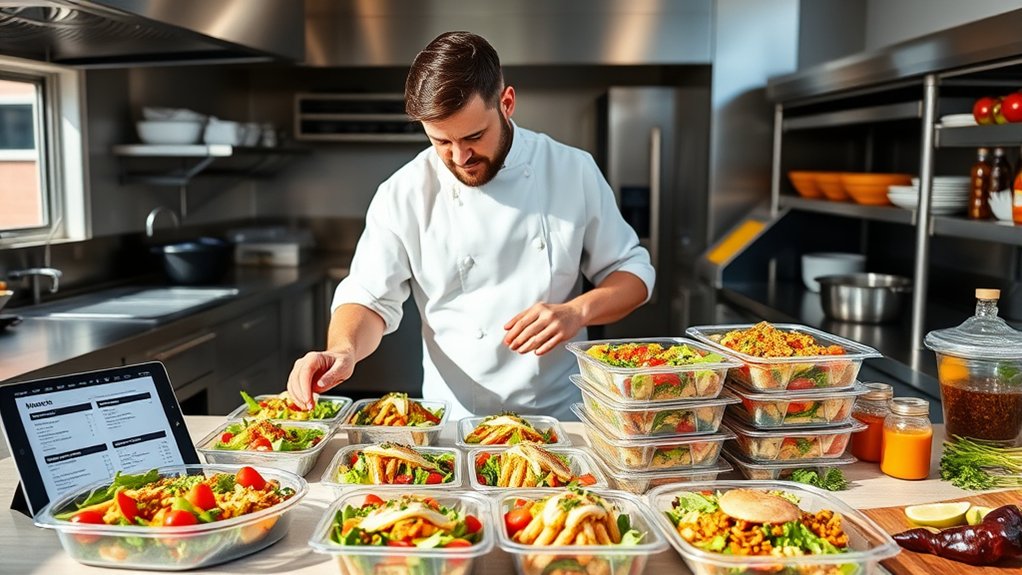
Focus on menu items that travel well and stay fresh during delivery. The right packaging also plays a key role in keeping food intact and appealing. Let’s look at how to optimize your menu and presentation for a smooth delivery experience.
Menu Items Optimization
Crafting a delivery-friendly menu means focusing on dishes that maintain quality and flavor during transit. To optimize your menu items, start by refining ingredient sourcing—choose fresh, durable ingredients that hold up well in packaging.
Next, adopt menu customization by offering options that let customers personalize meals without compromising delivery integrity. Finally, prioritize simplicity and consistency in preparation to guarantee every dish tastes great upon arrival.
- Select ingredients that resist sogginess or wilting during delivery.
- Design customizable dishes with flexible add-ons or swaps.
- Standardize cooking methods to maintain uniform quality.
Packaging And Presentation
Though menu optimization sets the foundation, packaging and presentation are what guarantee your dishes arrive fresh and appealing. You’ll want to choose eco-friendly packaging that keeps food secure, maintains temperature, and minimizes environmental impact.
Sustainable containers not only protect your meals but also resonate with eco-conscious customers. Don’t forget to incorporate branded presentation. Custom boxes, stickers, or printed napkins reinforce your brand identity and create a memorable unboxing experience.
Clear compartments or inserts help prevent mixing flavors and preserve texture. Prioritize packaging that’s easy for customers to open, transport, and dispose of.
Obtain Licenses, Permits, and Health Inspections
Before launching your ghost kitchen, securing the necessary licenses and permits is essential to operate legally and avoid costly fines. You must meet strict food safety and compliance standards to protect your customers and build trust.
Here’s what you need to focus on:
- Business License – Register your business with local authorities to get the official go-ahead to operate.
- Food Service Permit – Obtain this permit after passing an inspection that verifies your kitchen meets health codes and sanitation requirements.
- Health Inspections – Schedule regular inspections to ensure ongoing compliance with food safety regulations and maintain your permit status.
Failing to obtain these can lead to closures or penalties. Start early, gather all required documents, and prepare your kitchen for thorough inspections.
Staying proactive with compliance standards protects your business and guarantees a safe dining experience for your customers.
Set Up Food Delivery and Order Management Systems
Choose delivery platforms that help you reach your customers efficiently. Then, integrate an order management system to keep everything organized and easy to track. Finally, streamline your delivery logistics so orders arrive quickly and accurately.
Choosing Delivery Platforms
Where should you list your ghost kitchen to reach the most customers efficiently? Choosing the right delivery platforms is key. Focus on platforms that maximize visibility and align with your delivery fee strategies to keep costs manageable. Also, prioritize those that offer solid customer review management tools to build trust.
Consider these factors when selecting platforms:
- Market Reach: Choose platforms with a large user base in your target area.
- Fee Structure: Compare delivery fees and commission rates to optimize profitability.
- Review System: Ensure they provide easy ways to monitor and respond to customer feedback.
Integrating Order Management
Selecting the right delivery platforms sets the foundation, but managing incoming orders efficiently keeps your ghost kitchen running smoothly.
Integrate a reliable order management system that consolidates orders from multiple platforms into one dashboard. This helps you monitor orders in real time, reducing errors and improving customer satisfaction.
Make sure your system supports inventory synchronization, so stock levels update automatically as orders come in. This prevents overselling and keeps your menu accurate.
Choose software that integrates easily with your kitchen display systems and POS to streamline workflows.
Streamlining Delivery Logistics
Although managing orders efficiently is essential, setting up seamless delivery logistics guarantees your ghost kitchen fulfills those orders promptly and accurately. First, implement delivery route optimization software to reduce travel time and fuel costs, ensuring meals arrive hot and fresh.
Second, establish strong driver management by tracking performance and scheduling shifts smartly to cover peak hours without delays. Third, integrate your food delivery system with your order management platform to synchronize orders, payments, and delivery status in real-time.
This holistic approach not only boosts customer satisfaction but also streamlines your operations, minimizing errors and wasted resources. By focusing on these key steps, you’ll create a reliable delivery process that keeps your ghost kitchen running smoothly and your customers coming back.
Build a Unique Brand for Your Ghost Kitchen
How can you make your ghost kitchen stand out in a crowded market? Start by building a unique brand that captures your kitchen’s essence and connects with your target audience.
Use brand storytelling to share your mission, values, and what makes your food special. This emotional connection will set you apart and make customers remember you.
Next, focus on creating a strong visual identity. Design a memorable logo, choose a consistent color palette, and develop packaging that reflects your brand’s personality.
Your visual elements should be cohesive across all platforms, including your website, apps, and social media, to build trust and recognition.
Market Your Ghost Kitchen to Attract Customers
Once you’ve built a unique brand, it’s time to focus on marketing your ghost kitchen to attract customers.
Start by leveraging social media platforms to showcase your menu, share behind-the-scenes content, and engage with your audience regularly.
Leverage social media to showcase your menu, share behind-the-scenes moments, and connect consistently with your audience.
Next, use influencer outreach to tap into local food bloggers or social media personalities who can introduce your kitchen to their followers, boosting credibility and reach.
Finally, implement these three key strategies:
- Create eye-catching posts and stories on Instagram and Facebook to highlight special dishes and promotions.
- Partner with influencers for reviews, giveaways, or sponsored posts to generate buzz quickly.
- Encourage customer reviews and user-generated content to build trust and community around your brand.
Track Performance and Optimize for Growth
As you attract more customers, tracking your ghost kitchen’s performance becomes essential to sustain and grow your business. Start by regularly analyzing sales analytics to identify your best-selling items, peak order times, and customer preferences.
This data helps you optimize your menu and staffing efficiently. Don’t overlook customer feedback—it offers valuable insights into what’s working and where you can improve.
Encourage reviews and monitor social media to understand your customers’ experiences. Use this information to tweak recipes, adjust portion sizes, or improve delivery times.
Furthermore, track operational metrics like order accuracy and delivery speed to maintain high service quality. Continuously testing changes based on these insights will help you stay competitive.
Frequently Asked Questions
How Do I Handle Food Allergies in a Ghost Kitchen?
You handle food allergies in a ghost kitchen by prioritizing allergy management and strict cross contact prevention. Train your staff thoroughly on identifying allergens and cleaning protocols.
Use separate utensils, prep areas, and storage for allergen-free meals to avoid contamination. Clearly label all dishes and communicate openly with customers about ingredients.
Staying vigilant guarantees you protect your customers and build trust with your allergy-conscious clientele.
What Insurance Is Recommended for a Ghost Kitchen?
You absolutely can’t skip insurance coverage—it’s like your ghost kitchen’s invisible superhero cape!
You need all-encompassing liability protection to guard against accidents, foodborne illness claims, or property damage. General liability insurance is a must, and consider adding product liability insurance to cover your food.
Also, get property insurance for your kitchen space and equipment. This way, you’re shielded from costly surprises and can focus on cooking up success confidently.
Can I Operate Multiple Ghost Kitchen Brands From One Location?
Yes, you can operate multiple ghost kitchen brands from one location. To succeed, you’ll need clear brand differentiation so each concept stands out and appeals to its target audience.
Also, optimize your kitchen layout to handle different menus efficiently without cross-contamination or delays. By organizing your space smartly and marketing each brand distinctly, you’ll maximize your kitchen’s potential and boost overall revenue while keeping operations smooth and streamlined.
How Do I Manage Staffing and Shift Schedules Effectively?
Think of staff management and shift scheduling like conducting an orchestra—each player must come in at the right time for a smooth performance. Use scheduling software to avoid overlaps and burnout, and keep communication clear to adjust shifts quickly.
One ghost kitchen owner cut labor costs by 15% just by optimizing shifts. You’ll keep your team happy and operations efficient when you balance workloads and stay flexible with your scheduling.
What Technology Integrates Best With Third-Party Delivery Apps?
You’ll want technology that seamlessly integrates order tracking with third-party delivery apps like Uber Eats and DoorDash. Look for platforms offering real-time order updates to customers and delivery optimization tools that route drivers efficiently.
Systems like Chowly or Cuboh connect multiple apps into one dashboard, reducing errors and streamlining operations. This way, you’ll keep orders flowing smoothly and improve delivery speed, enhancing customer satisfaction and your ghost kitchen’s reputation.
Conclusion
Picture your ghost kitchen buzzing with orders, the aroma of fresh meals tempting hungry customers right to their doorsteps. By choosing the perfect location, crafting a delivery-friendly menu, and building a standout brand, you’re setting the stage for success.
With licenses in hand and smart systems in place, you’ll efficiently manage every order. Keep marketing boldly and tracking your growth, and watch your ghost kitchen rise from a simple idea to a thriving culinary force.